The problem
History textbooks sometimes create enemies.
Two countries teach the same war separately. I asked a different question: can an immersive experience build empathy instead?
A University of Tokyo research project, shown at the Nagasaki Atomic Bomb Museum in 2025
← Homeモノが語る、戦争の記憶
Work in progress, October 2026
A VR learning space where an object left behind in a war tells its owner’s story. Students in Japan and India each step into the other country’s history.
The rule the whole project follows. No blood and no bodies appear in any scene.
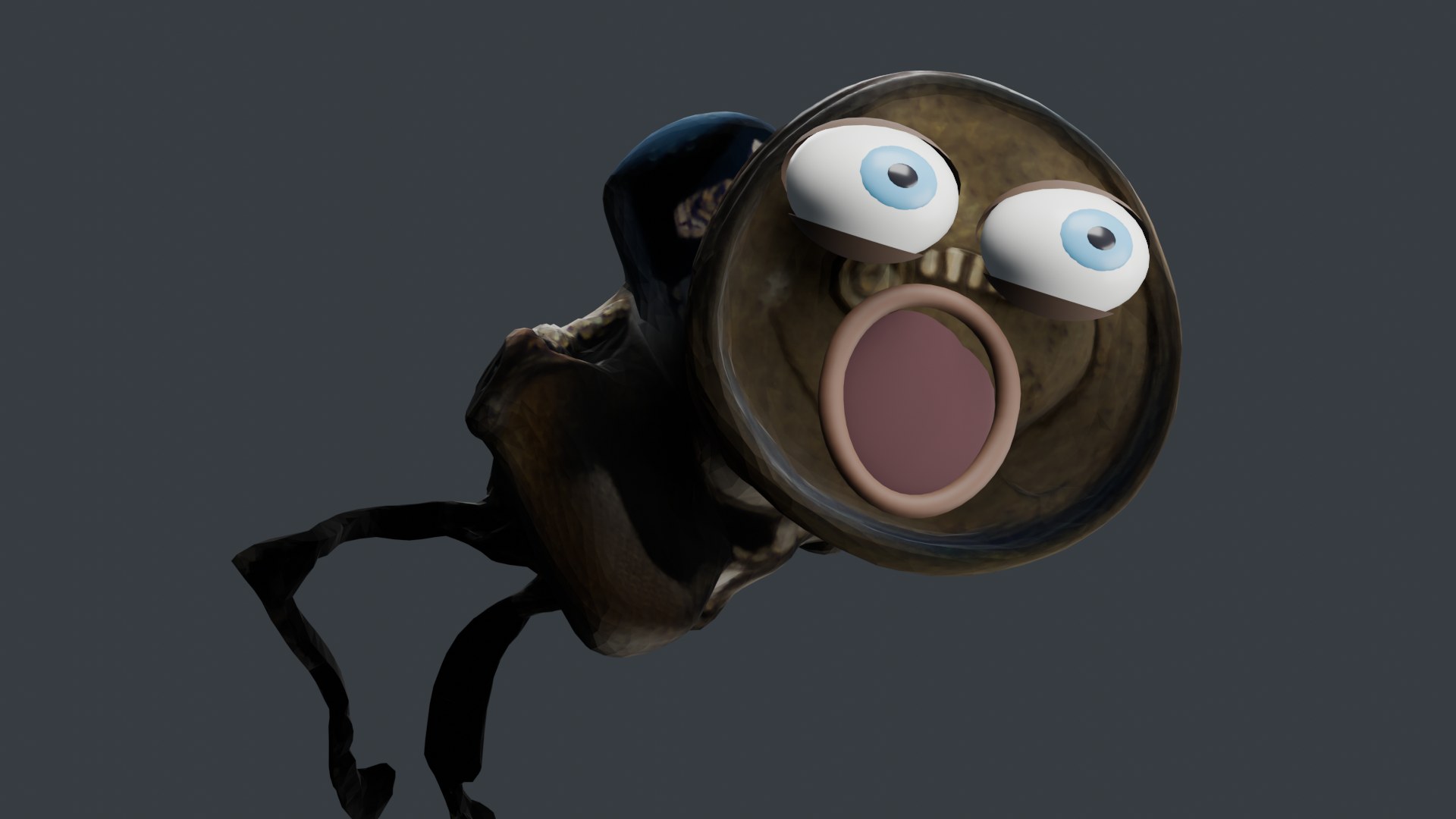
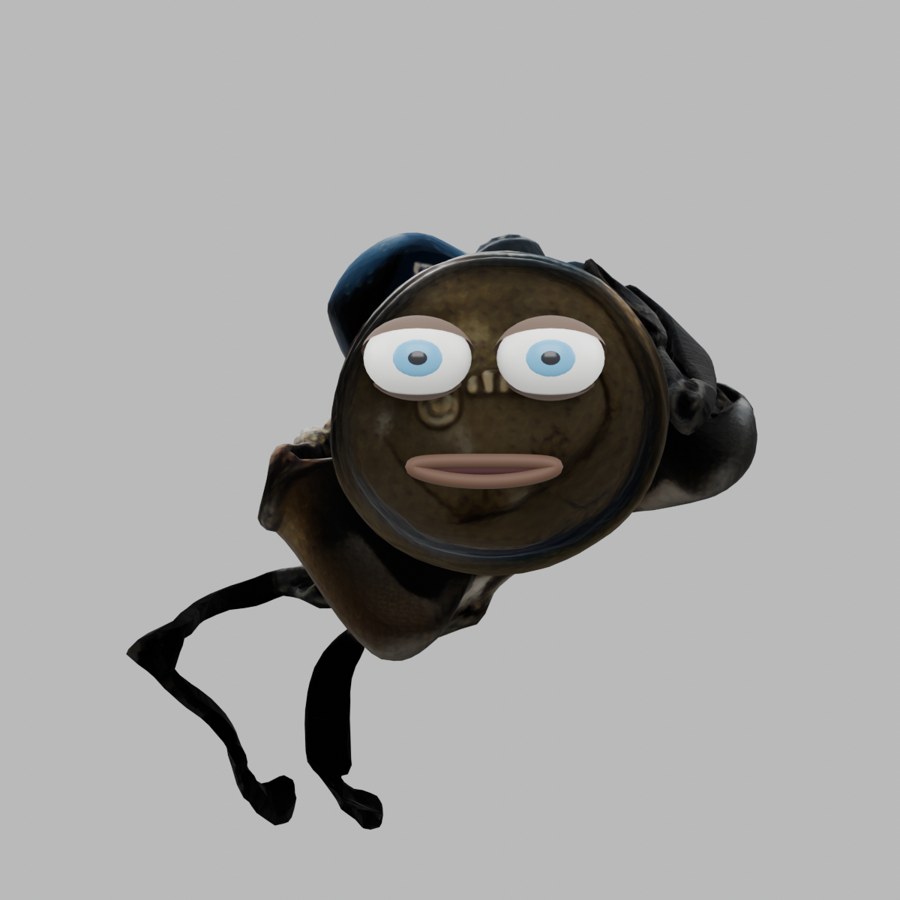
The narrator of the Gaza chapter: a journalist’s camera, rebuilt in 3D from one photograph.
History textbooks sometimes create enemies.
Two countries teach the same war separately. I asked a different question: can an immersive experience build empathy instead?
Let an object tell the story.
In VR, the student meets an object that was left behind. It tells its owner’s story in its own voice. No blood and no bodies are shown.
I grew up in eastern India, near the border with Bangladesh. My childhood was full of the stories of people who crossed over during the 1971 war. For me this research is not abstract data. It continues a habit of listening to survivors.
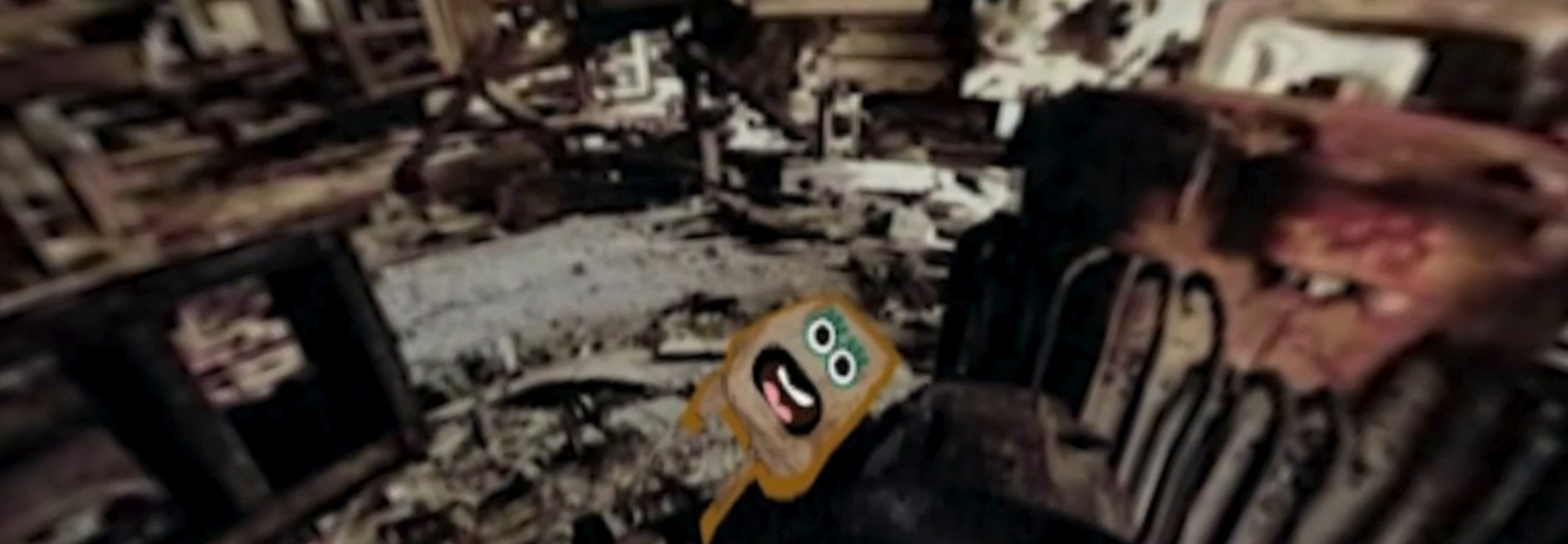
Every story starts from a survivor’s documented account.
A historical photograph is turned into a 360° space. An object from that scene is waiting inside.
The object tells its owner’s story from its own point of view.
Students in each country experience the other country’s history.
Noboru Murata’s account of surviving the atomic bombing as a middle school student, and of losing his friends.
Dr. Meghna Guhathakurta’s account of being ten years old in March 1971, watching soldiers enter her family’s compound and take her father away.
GPT gives the object its voice, but it does not invent the story. It works from two real inputs: documented survivor testimony, and the words and feelings that earlier visitors said stayed with them.
The project is still running. These are short notes from each place, not final results.
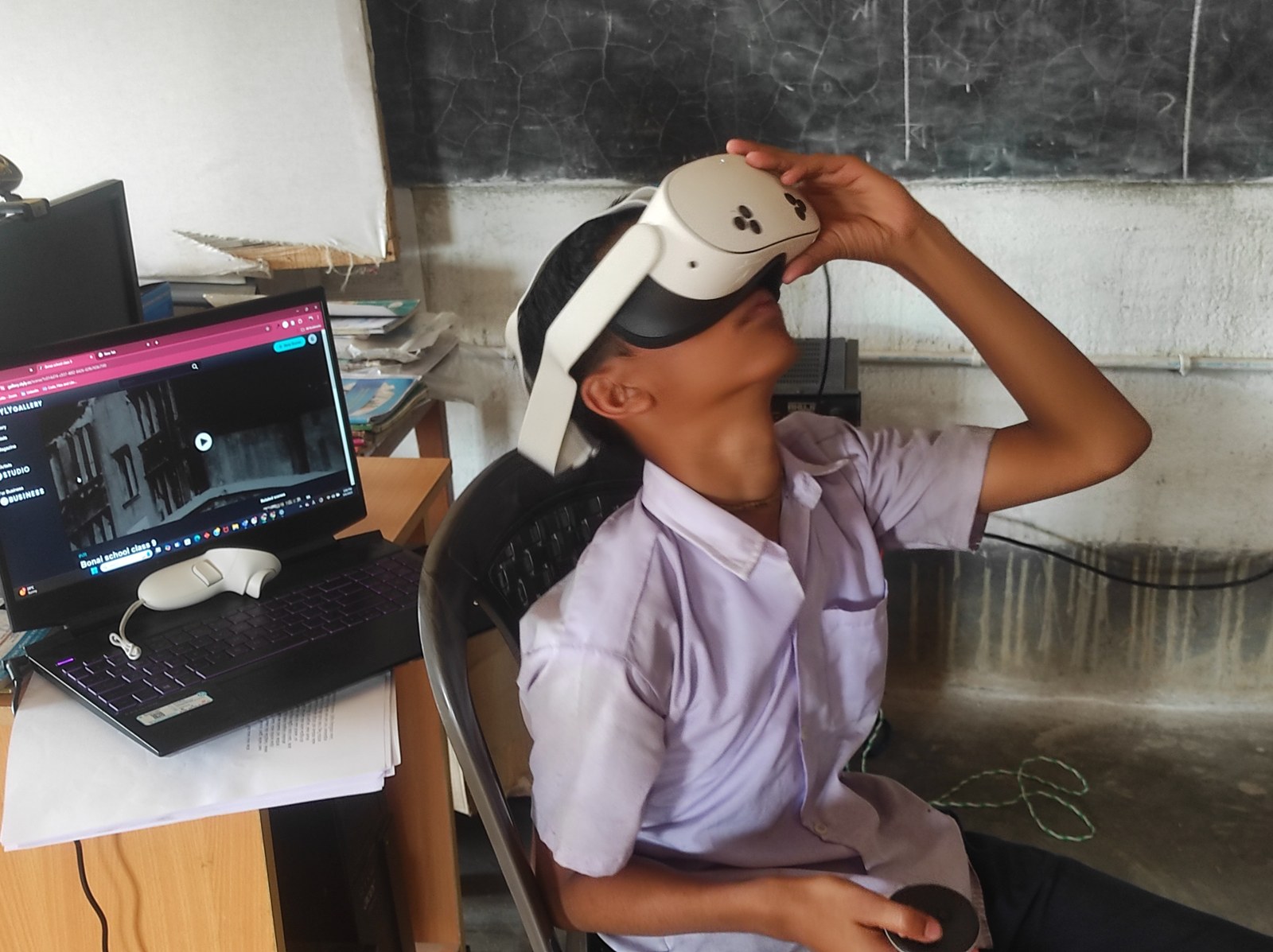
Workshop
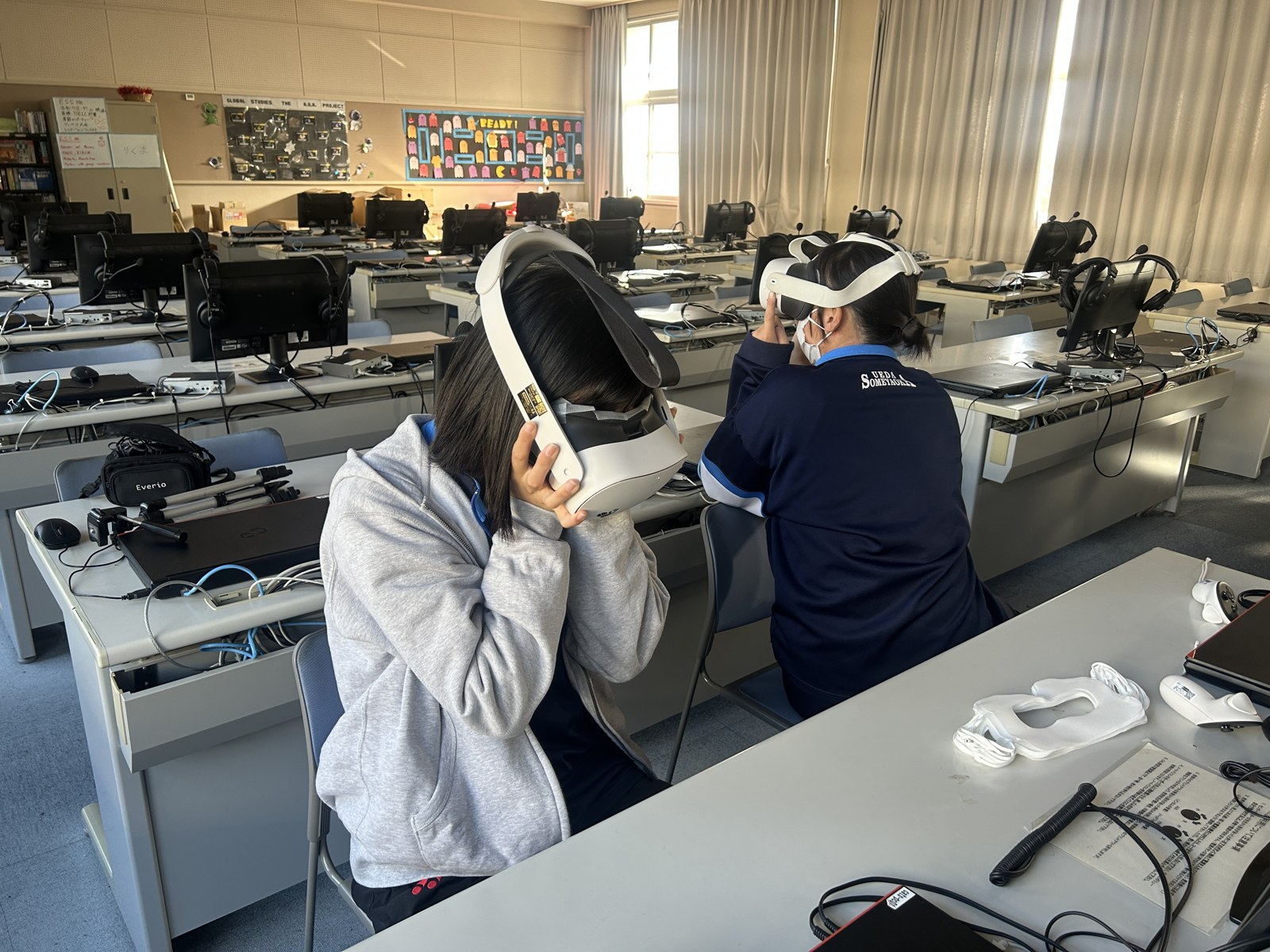
Students already knew the facts of the Nagasaki bombing: when, where and who. After the VR they said they felt they had lived a survivor’s life. Some were in tears.
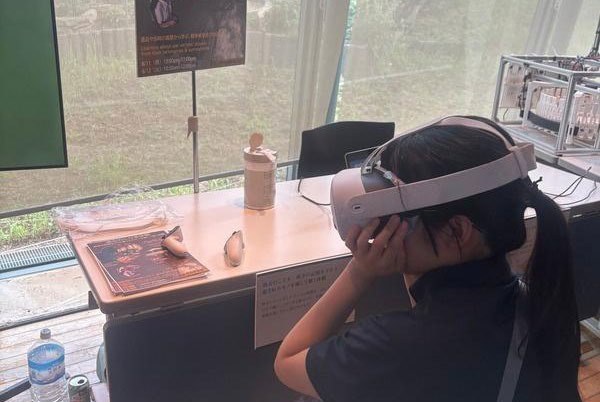
Exhibition, 2025
Shown to the public and to parents. Parents said they could show it to their children because it has no cruel scenes and no blood.
Workshop
With junior high and high school students. A door told a girl’s story from 1971. 11 of 12 students named atmosphere and perspective as the strongest parts.
Pilot
The background sound made the scene feel real. People enjoyed hearing the story from an object’s point of view.
What I am working on now
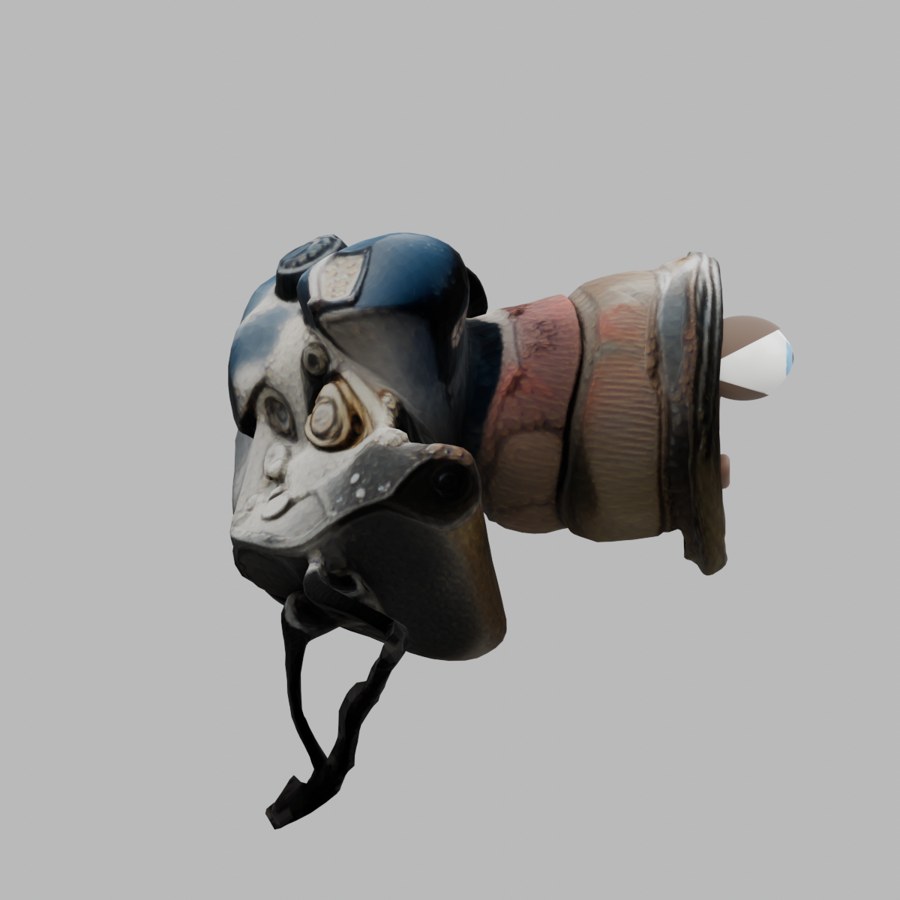
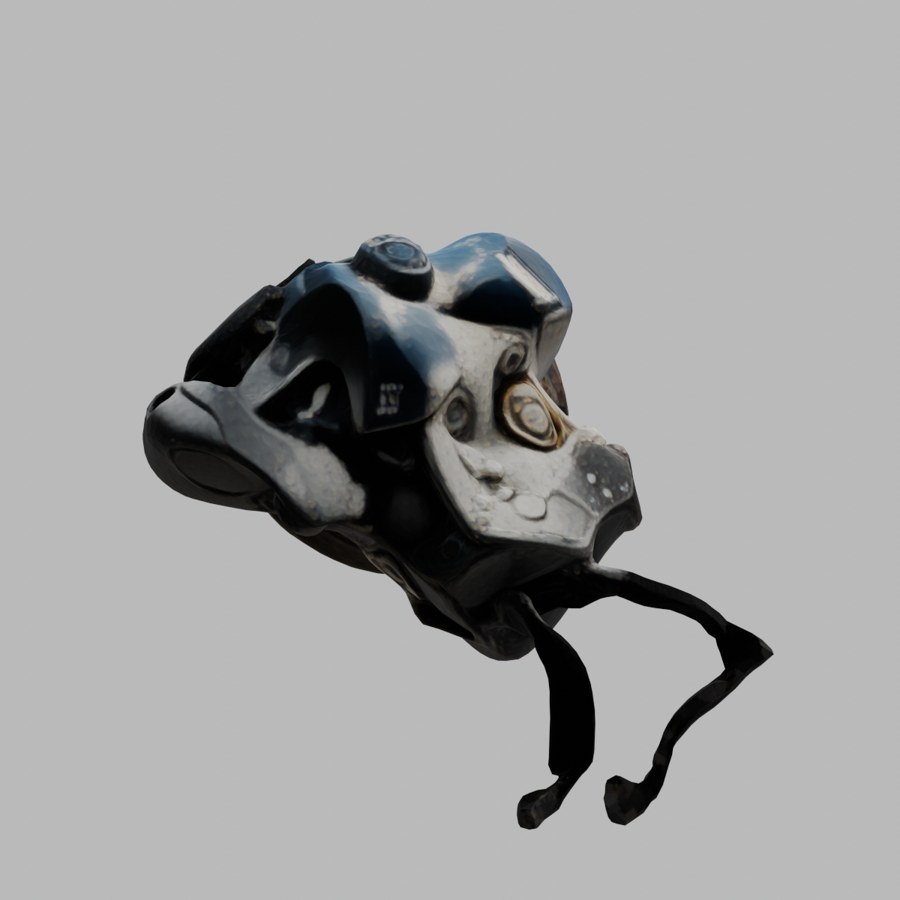
I rebuilt the camera as a 3D character from a single photograph, and its lens became its face.
Adobe Photoshop
TRELLIS
Blender
Unity
The AI only saw one photograph. The front is close to the real camera. The back is the model’s guess, not a measurement.
Photos: taken by the author. Nagasaki Atomic Bomb Museum, 2025.